
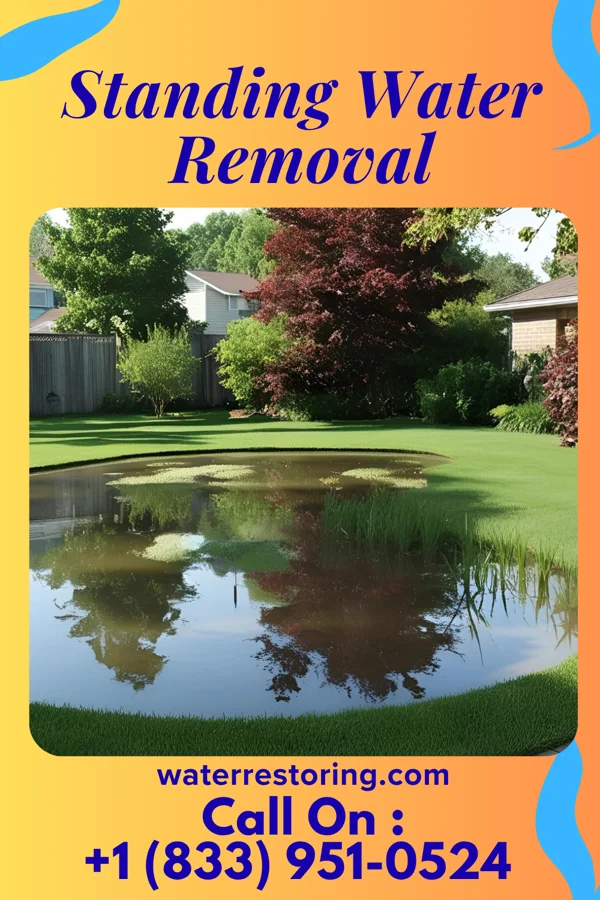
Standing Water Across Johnstown Neighborhoods
Every neighborhood in Johnstown has a different water damage risk profile. The one that shows up on most restoration calls is In Johnstown, Nebraska, the primary water damage causes often stem from agricultural runoff and seasonal flooding due to its rural location near Wood Lake and the Platte River. Additionally, heavy rainfall events can lead to basement flooding, especially in older homes with less modern drainage systems.. A close second is Secondary causes include plumbing failures in rural homes, such as burst pipes and leaking water heaters, as well as livestock-related water spills in farmsteads. These issues are common in the area due to the mix of residential and agricultural properties..
Johnstown experiences a semi-arid climate with significant seasonal variations, leading to periods of intense rainfall followed by dry spells. This pattern increases the risk of sudden water intrusion, particularly during spring thaw and late summer storms.
Water damage in Johnstown follows a few local patterns. In Johnstown, Nebraska, the primary water damage causes often stem from agricultural runoff and seasonal flooding due to its rural location near Wood Lake and the Platte River. Additionally, heavy rainfall events can lead to basement flooding, especially in older homes with less modern drainage systems. accounts for the bulk of our calls. Johnstown experiences a semi-arid climate with significant seasonal variations, leading to periods of intense rainfall followed by dry spells. This pattern increases the risk of sudden water intrusion, particularly during spring thaw and late summer storms. Given the region's climate and the presence of older, less-insulated homes, mold can develop quickly after water damage. Prompt action is crucial to prevent long-term structural and health issues in Johnstown.